Demonstrates an extended A minor pentatonic pattern across the neck and suggests practicing repetitions to develop soloing fluency.

Demonstrates an extended A minor pentatonic pattern across the neck and suggests practicing repetitions to develop soloing fluency.
Teach a simple 12‑bar blues framework with bass-note grooves and easy licks so you can quickly improvise something singable on the spot.

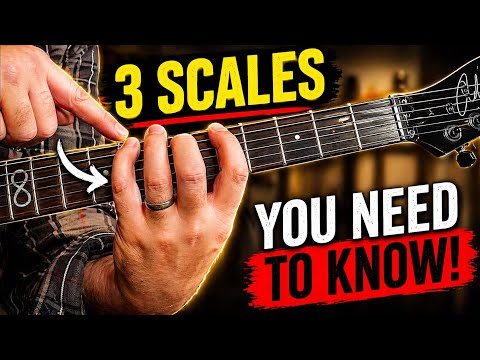
Teach three essential guitar scales and how to apply them musically, with fingerings in A, tuning help, and beginner-friendly practice guidance.
Explain practical skills—rhythm, phrasing, and chord-tone targeting—that make jazz guitar solos sound better than just learning exotic scales, with examples and practice tips.

Teach a movable pentatonic pattern on mandolin to play lead lines and double-stop 'couplets' in any key, with a landmark index-finger position.

Teach beginning mandolin improvisation by looping G-scale phrases, counting rhythmic deadlines, and using the F# leading tone to signal resolution back to G.

Teach beginning jazz mandolin soloing over Mack the Knife in G, using one‑octave scale notes against G6 and D7, with downloadable PDF and play‑along drills.

Teach four core lead-guitar practice concepts—pentatonic box, extended shape, triplets/blues note, and alternate picking—to strengthen rock/blues soloing and fretboard fluency.

Explain I–IV–V in any key on mandolin, movable chord shapes, pentatonic skip-a-fret lead patterns, blue notes, and simple double-stop positions for bluegrass leads.

Demonstrate how to smoothly switch between mandolin chord comping and melody/solo lines using the tune 'Cindy,' with practical practice tips and chop-chord considerations.

Teach beginners to start lead guitar using two simple 'square' shapes, locating them in key across two octaves to create solos and jam confidently.

Teach a daily two-string pentatonic exercise to map the fretboard and build scale fluency across the neck.

Teach an extended pentatonic pattern connecting boxes for faster soloing, shown in C minor with slides expanding above and below the main shape.

Show how to play an easy E blues guitar lick using the pentatonic/blues scale, with step-by-step fingering and phrasing tips.

Teach a step-by-step shape-based method to map the guitar fretboard in G major/E minor for improvising, with movable patterns and a downloadable PDF.

Teach a five-step method to add melodic licks between chords on acoustic guitar using a D–Bm–A–G progression, scale choices, rhythm, and techniques.

Teach movable mandolin licks using minor pentatonic and blues scales over major chords, adding the major third for bluesy resolutions, with position tips.

Demonstrates how to outline chord changes in solos by finding movable chord shapes within pentatonic patterns (CAGED approach) and practicing integrating chord tones over progressions.
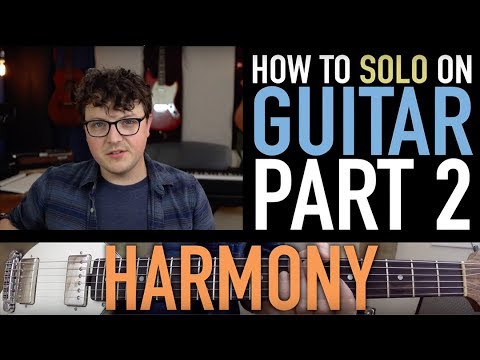
Teach how to improvise freely on guitar by deriving the minor pentatonic from the major scale, focusing on intervals, ear training, and practical fretboard visualization.

Explains advanced mandolin practice focused on chord-tone improvisation, arpeggios, and making the changes across circle-of-fifths progressions, with examples from bluegrass and jazz.

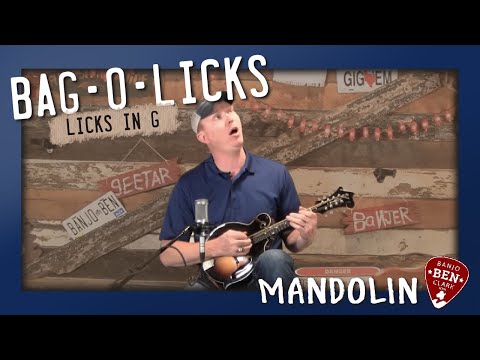
Teach a mandolin 'bag of licks' in G (G, C, D, Em) and how to combine them into solos, with tabs and backing tracks.
Curate and discuss recommended easy jazz guitar solos to learn by ear, with a multi-teacher video roundup to build vocabulary, improvisation, and transcription skills.

Teach 50 short blues/rock guitar licks with ideas for transposing across positions and scales, aimed at beginner to intermediate improvisers.

Teach a simple jazz-blues phrasing approach for guitar to improve lines and feel, starting from basic material you can apply immediately.

Demonstrate BB King's approach to soloing over a blues progression using animated fretboard visuals, covering bends, vibrato, and pentatonic note choices.
Provide a short mandolin transcription and tab for Sierra Hull’s take on a Bryan Sutton bluegrass lick, with video demonstration for practice.

Explain how jazz beginners can start sounding authentic by focusing on swing feel, rhythm, phrasing, and essential approaches over just note choices.

Teach five essential jazz guitar licks and how to apply them musically in solos so beginner players sound more authentic.

Present three practical 'shortcuts' for guitarists—micro-pattern scale mapping, smarter practice, and improvisation frameworks—to accelerate fretboard fluency and musicianship without endless scale memorization.

Appears to demonstrate beginner guitar soloing strategies, emphasizing rhythm, repetition, simple phrasing, and combining slow and fast ideas to avoid noodling.

Teach seven ways to use pentatonic scales over jazz chords to build better licks, from simple applications to more outside sounds.

Demonstrates practical phrases and strategies for improvising over jazz ii–V–I changes on guitar, including ear-training, chord-tone targeting, and position-based fretboard mapping.

Teach three essential pentatonic melodic patterns, explaining how they improve improvisation and fretboard mapping, with demonstrations and practice guidance in common fifth-position shapes.

Presents a jazz-education-rooted practice method to improve improvisation and soloing, linking to a video that explains how to practice jazz solos more effectively.

Teach beginners major arpeggio theory, interval stacking, and practical fretboard shapes to start chord‑tone soloing on lead guitar.

Presents five beginner-friendly jazz soloing exercises for nailing chord changes and flowing through progressions, with a video and prompt for additional practice ideas.

Teach exercises to connect pentatonic boxes across the fretboard using slides and backing tracks, adding the blue note to travel fluidly between positions.

Teach how to improvise over chords by internalizing arpeggio shapes and chord tones, starting with major triad forms and step-by-step exercises.

Seeks strategies to move beyond pentatonic box shapes into musical improvisation and note targeting, asking whether mastery comes with time and specific practice.
Show practical strategies for turning triads into lead guitar licks that nail chord changes and create melodic solos, with fretboard shapes and examples.

Asks how to choose major scale positions for soloing over G–C–D and whether to shift positions or stay put while targeting chord tones.
Presents five focused jazz guitar exercises to improve soloing, chord voicings, and overall sound while highlighting what to prioritize to avoid wasted practice time.

Teach a 'Pentatonic Gear Shift' visualization to shift pentatonic shapes across string sets and map one-scale-per-chord improvisation over progressions, with practical demos.

Offer a candid reflection on escaping a guitar plateau by refocusing on the blues/pentatonic scale, phrasing, and learning songs instead of chasing more scales.
Demonstrates how beginners can turn simple ideas into convincing jazz guitar solos using vocabulary, embellishments, and phrasing.

Explores why players prefer five CAGED major-scale positions over a single repeating shape, debating memorization, fretboard visualization, and 3-notes-per-string consistency for speed.
Request tips for improving pentatonic-based soloing over 12-bar blues backing tracks.
Teach a simple one-string drill to target chord tones at changes so guitar solos resolve musically instead of sounding like random scale runs.
Teach a triad enclosure exercise to add authentic jazz phrasing and flow to guitar solos, with practice steps and examples from Joe Pass and others.

Provides an infographic-style overview of the Dorian mode for guitar and appears to include positions and pointers for improvising and soloing.

Demonstrates a root-focused approach to learning the five pentatonic positions, improving fretboard navigation and chord-targeted soloing across progressions.
