Explain how learning Hendrix’s Little Wing connected chord shapes, pentatonic scales, and fretboard visualization into movable voicings and riffs for more musical rhythm-lead guitar.

Explain how learning Hendrix’s Little Wing connected chord shapes, pentatonic scales, and fretboard visualization into movable voicings and riffs for more musical rhythm-lead guitar.
Demonstrate movable triad shapes and inversions in G to quickly find strong chord tones across the neck and make musical, usable parts.

Demonstrates five practical guitar chord tricks—adding thirds to power chords, droning bass notes, inversions, and voicing tweaks—to make progressions sound richer and more powerful.

Request resources for learning mandolin crosspicking combined with chord-based improvisation, plus country/folk-style songs to practice (including for octave mandolin).

Share mandolin diagrams of Barry Harris drop voicings and inversions for 6th, dominant, 7b5, and diminished chords, plus clarifying notes on equivalences.

Teach a beginner mandolin version of The Irish Rover in G, demonstrating simple chord shapes and an upbeat folk strum pattern, with lyrics/chords linked.

Explain I–IV–V in any key on mandolin, movable chord shapes, pentatonic skip-a-fret lead patterns, blue notes, and simple double-stop positions for bluegrass leads.

Share fingerstyle technique insights, chord voicings, capo-based transposition, and setup preferences, demonstrating independent bass and inner lines characteristic of his style.

Explain and demonstrate how the five CAGED chord shapes connect across the fretboard in the key of C to map the neck.

Teach bossa nova guitar basics—laid-back rhythms, alternating bass, and comping patterns—via Dominic Miller with Paul Davids, so you can accompany songs and start improvising.

Demonstrates practical, advanced uses of the CAGED system for chords across the neck, minor and extended voicings, and arpeggio applications.

Demonstrates how to outline chord changes in solos by finding movable chord shapes within pentatonic patterns (CAGED approach) and practicing integrating chord tones over progressions.
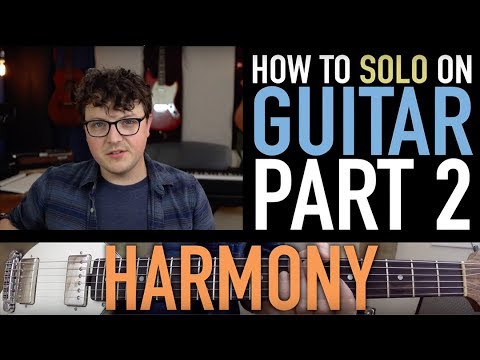
Teach four movable mandolin double-stop shapes for major chords, how to locate root notes, and connect them to chop chord shapes.

Demonstrates a movable mandolin chord shape to play all major and minor chords, with barre-style fingering tips and guidance for clean, shiftable voicings.

Demonstrates mandolin double-stop exercises to develop fingerings, intonation, and harmonic awareness across pairs of strings.
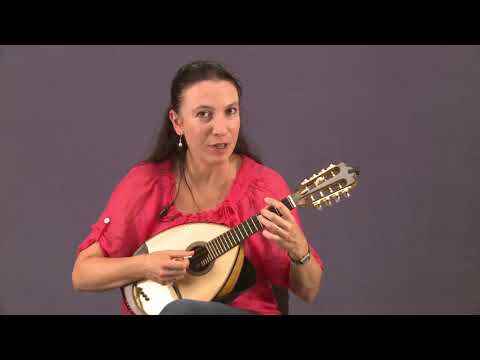
Explain the CAGED system as a fretboard map, show chord-note mapping, and provide practice approaches with a free PDF.

Teach a one-minute method to build E/A-string scales, harmonize them with seventh-chord shapes, and craft math rock/post rock/emo progressions on guitar.

Provide a simple online guitar fretboard diagram creator with SVG export and mode examples, useful for mapping scales and chords.
Teach Chris Thile’s Magnet on mandolin, covering the E7#9 intro chord, G minor to A minor lick, and percussive right-hand staccato technique.

Teach beginners to play Hallelujah using easy open-chord shapes (and likely capo placement) in a clear, follow-along format.

Shows beginners how to use two-string dyads and power-chord shapes to imply chords, covering basic intervals and simple accompaniment ideas.

Teach open guitar chords from basic triads to major/minor/7th voicings, with diagrams and six play-along songs to practice them.

Share interval-focused guitar chord charts and theory cheat sheets, plus links to chord-finder tools, for printable practice and fretboard study.

Explain chord extensions and suspensions, contrasting classical voice-leading origins with modern independent chord use, and providing practical guidance for beginners.
Shares a 36-page guitar-focused music theory reference pack, including diagrams like an expanded Circle of Fifths, for players to print and study.

Seek guidance on when to use sus4 and add9 chords on various scale degrees and how they function within a key.
Share a progressive path from intervals to drop-2 chord voicings and the circle of fifths, with exercises and learning strategies based on memory/comprehensible input.

Demonstrates essential jazz guitar chord types—minor, dominant, altered dominant, and major seventh—with quick voicings to get started.

Teaches quick shapes to play common 7th chords on guitar in under a minute, offering concise voicings as alternatives to standard barre chords.

Teach an exercise to expand jazz chord voicings and begin chord-melody arranging on guitar.

Teach the CAGED system through a 90-minute hands-on guitar lesson focusing on movable C-shape chords, barre technique, and finding roots across the fretboard.

Demonstrates how to use double-stops within CAGED chord shapes to highlight intervals and create harmonies across adjacent strings.

Appears to cover modern chord voicings with visual examples.

Appears to outline a three-step method for learning the CAGED system on guitar, with diagrams to map chord shapes and scales across the fretboard.

Appears to cover a cheat sheet for guitar chords and scales.

Clarifies the CAGED system as a method for moving chord shapes up the neck, focusing on E/A/D-string roots to visualize chords beyond open positions.
Covers E Major chords, progressions, and the associated scale for guitar players.

Presents five focused jazz guitar exercises to improve soloing, chord voicings, and overall sound while highlighting what to prioritize to avoid wasted practice time.

Demonstrate a simple guitar-focused jazz chord exercise to build comping, chord melody, rhythm, and voice-leading skills.

Presents a practical jazz guitar chord system for connecting chord types and turning symbols into musical, voice-led comping without memorizing endless shapes.

Offer triad drill charts and a method to map inversions across three neck areas with metronome practice, reinforcing tonic-based options in major and minor keys.

Demonstrates a straightforward method to convert familiar guitar shapes into colorful, playable jazz chord voicings for richer comping options.

Appears to cover visual cues for double stops using G major chop chord on mandolin.

Presents a video-based 'E-System' method to visualize the fretboard via E-string shapes, modify nucleus forms into chord types, and connect it with simple guitar syntax.

Demonstrates a common gypsy jazz G6/9 major chord voicing on guitar and how to finger and use it.

Outline a roadmap to jazz comping on guitar using shell voicings, drop 2 and drop 3 chords, with guidance on reading chord charts.

Presents a visual diagram to help identify and connect CAGED chord shapes across the fretboard.

Presents an alternative way to visualize and apply the CAGED system on guitar, likely offering a diagram of shapes and connections across the fretboard.
