Demonstrate movable triad shapes and inversions in G to quickly find strong chord tones across the neck and make musical, usable parts.

Demonstrate movable triad shapes and inversions in G to quickly find strong chord tones across the neck and make musical, usable parts.
Demonstrates an extended A minor pentatonic pattern across the neck and suggests practicing repetitions to develop soloing fluency.

Teach a simple 12‑bar blues framework with bass-note grooves and easy licks so you can quickly improvise something singable on the spot.

Demonstrates five practical guitar chord tricks—adding thirds to power chords, droning bass notes, inversions, and voicing tweaks—to make progressions sound richer and more powerful.

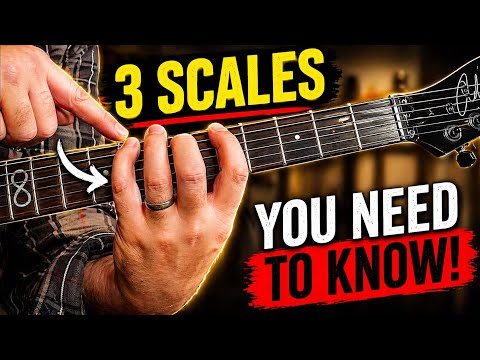
Teach three essential guitar scales and how to apply them musically, with fingerings in A, tuning help, and beginner-friendly practice guidance.
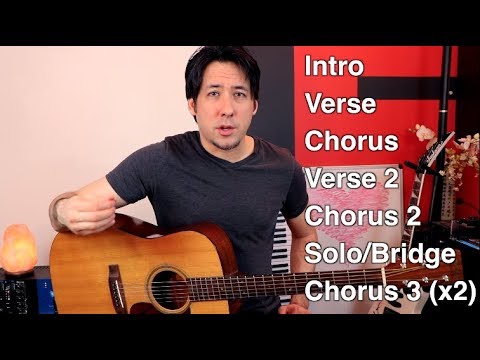
Demonstrates a simple, fast songwriting workflow for guitarists using basic chords and common song structure, with mindset tips to avoid perfectionism.
Learn eight essential fingerstyle guitar accompaniment patterns on C–F–G, with thumb–finger coordination tips, rolling variations, and practice applications.

Demonstrate basic mandolin pick direction: down on beats, up on offbeats, alternating fastest subdivision, and keeping the right hand moving, with tune examples.

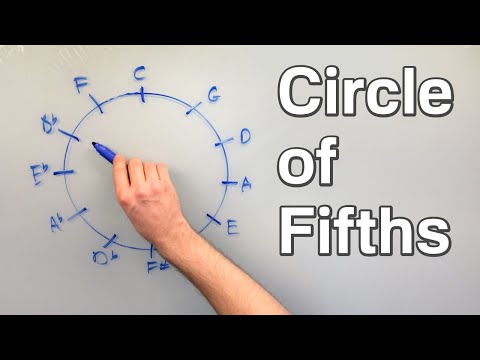
Explains and demonstrates the circle of fifths with quick memorization tips and practical uses for key signatures, chords, and modulation.
Teach three mandolin strumming patterns with counting and feel tips, using examples like Old Joe Clark and Nonesuch to vary rhythm and groove.

Teach a movable pentatonic pattern on mandolin to play lead lines and double-stop 'couplets' in any key, with a landmark index-finger position.

Teach mandolin arpeggios across all keys and show how to use chord tones to harmonize a melody, with exercises for speed and accuracy.

Teach beginning mandolin improvisation by looping G-scale phrases, counting rhythmic deadlines, and using the F# leading tone to signal resolution back to G.

Teach beginning jazz mandolin soloing over Mack the Knife in G, using one‑octave scale notes against G6 and D7, with downloadable PDF and play‑along drills.

Teach four core lead-guitar practice concepts—pentatonic box, extended shape, triplets/blues note, and alternate picking—to strengthen rock/blues soloing and fretboard fluency.

Teach a beginner mandolin version of The Irish Rover in G, demonstrating simple chord shapes and an upbeat folk strum pattern, with lyrics/chords linked.

Explain I–IV–V in any key on mandolin, movable chord shapes, pentatonic skip-a-fret lead patterns, blue notes, and simple double-stop positions for bluegrass leads.

Demonstrate how to smoothly switch between mandolin chord comping and melody/solo lines using the tune 'Cindy,' with practical practice tips and chop-chord considerations.

Explain and demonstrate the five major scale positions on guitar with fingerings, root-note focus, and tips for hearing the scale across the neck.

Teach beginners to start lead guitar using two simple 'square' shapes, locating them in key across two octaves to create solos and jam confidently.

Teach an extended pentatonic pattern connecting boxes for faster soloing, shown in C minor with slides expanding above and below the main shape.

Explain and demonstrate how the five CAGED chord shapes connect across the fretboard in the key of C to map the neck.

Teach bossa nova guitar basics—laid-back rhythms, alternating bass, and comping patterns—via Dominic Miller with Paul Davids, so you can accompany songs and start improvising.

Show how to play an easy E blues guitar lick using the pentatonic/blues scale, with step-by-step fingering and phrasing tips.

Teach a step-by-step shape-based method to map the guitar fretboard in G major/E minor for improvising, with movable patterns and a downloadable PDF.

Teach 20 beginner Travis picking exercises and patterns to build alternating-bass thumb independence with fingerpicking, including TAB and practice guidance.

Offer Tommy Emmanuel's insights on thumbpick fingerstyle, boom-chick rhythm, and practice tips in an interview-plus-lesson format.

Teach how to improvise freely on guitar by deriving the minor pentatonic from the major scale, focusing on intervals, ear training, and practical fretboard visualization.

Teach four movable mandolin double-stop shapes for major chords, how to locate root notes, and connect them to chop chord shapes.

Teach a movable major pentatonic scale pattern for mandolin, with fingerings in D, sequencing ideas, and tips for fitting around chop chords and creating licks.

Outline five common beginner mistakes when learning guitar online, with demonstrations of proper strumming from the elbow and wrist-supported single-note picking.

Teach five progressive acoustic fingerpicking patterns over a I–vi–IV–V progression in C, with chord shapes and right-hand technique tips for folk style.

Explain diatonic chords in major keys using Roman numerals, how to build progressions, transpose between keys, and improve ear-based recognition.

Teach a simple percussive 'slap strum' muting technique to add drum-like groove to solo guitar, demonstrating hand placement and rhythmic feel.

Demonstrates a movable mandolin chord shape to play all major and minor chords, with barre-style fingering tips and guidance for clean, shiftable voicings.

Explain the CAGED system as a fretboard map, show chord-note mapping, and provide practice approaches with a free PDF.

Teach a one-minute method to build E/A-string scales, harmonize them with seventh-chord shapes, and craft math rock/post rock/emo progressions on guitar.

Teach a daily right-hand fingerpicking exercise using six PIMA patterns with speed bursts to build relaxed technique and control, adaptable over chords.

Provide a visual chart mapping standard notation to guitar fretboard notes up to 12th fret, aiding sight-reading in upper positions; includes alternate C-based octave layout.
Teach beginners easy two-note rockabilly riffs over a 12‑bar blues, explaining chord changes by string shifts and providing a backing track for practice and improvisation.

Teach 50 short blues/rock guitar licks with ideas for transposing across positions and scales, aimed at beginner to intermediate improvisers.

Outline three practice strategies and pitfalls to help jazz guitar beginners avoid wasted time and learn core skills more efficiently.

Suggests beginner-friendly blues songs for guitar players to learn and practice.
Teach beginners to play Hallelujah using easy open-chord shapes (and likely capo placement) in a clear, follow-along format.

Shows beginners how to use two-string dyads and power-chord shapes to imply chords, covering basic intervals and simple accompaniment ideas.

Explain how jazz beginners can start sounding authentic by focusing on swing feel, rhythm, phrasing, and essential approaches over just note choices.

Teach open guitar chords from basic triads to major/minor/7th voicings, with diagrams and six play-along songs to practice them.

Teach five essential jazz guitar licks and how to apply them musically in solos so beginner players sound more authentic.

Survey top online guitar-learning resources and offer an efficient beginner roadmap for self-teaching, comparing strengths and use-cases of popular platforms.

Explain a tiny strumming adjustment and three common beginner mistakes to make your rhythm sound more relaxed, natural, and consistent.

Appears to demonstrate beginner guitar soloing strategies, emphasizing rhythm, repetition, simple phrasing, and combining slow and fast ideas to avoid noodling.

Appears to cover the minor scale on the guitar fretboard with visual diagrams.
Provide a curated list of 25 jazz standards with brief harmonic analyses and five essential recordings each to guide learning and listening.

Teach beginners major arpeggio theory, interval stacking, and practical fretboard shapes to start chord‑tone soloing on lead guitar.

Presents five beginner-friendly jazz soloing exercises for nailing chord changes and flowing through progressions, with a video and prompt for additional practice ideas.

Teach how to develop playing by ear on guitar with explanations and five progressive exercises, demystifying talent myths and offering a step-by-step practice plan.

Ask for strategies to remember diatonic chords in each key, likely discussing Roman numerals, scale degrees, and circle-of-fifths approaches.
Teach Steve Vai's four essential beginner-to-intermediate guitar scale shapes—major, minor, major pentatonic, and blues—with practice tips, PDF diagrams, and jam-track application.

Teaches quick shapes to play common 7th chords on guitar in under a minute, offering concise voicings as alternatives to standard barre chords.

Teach a quick formula to memorize and connect all five minor pentatonic positions on guitar for fast fretboard navigation.

Teach the CAGED system through a 90-minute hands-on guitar lesson focusing on movable C-shape chords, barre technique, and finding roots across the fretboard.

Explain the A minor pentatonic via intervals and its relationship to C major/major pentatonic to improve fretboard visualization.

Seeks feedback on a fretboard method for playing major scales and modes anywhere, plus guidance on interval shapes, position shifts, and potential pitfalls.
Clarifies the CAGED system as a method for moving chord shapes up the neck, focusing on E/A/D-string roots to visualize chords beyond open positions.
Debate learning major scale versus minor pentatonic first, outlining their relationships, movable shapes, and beginner practice advice.

Demonstrate a simple guitar-focused jazz chord exercise to build comping, chord melody, rhythm, and voice-leading skills.

Explain how mapping I–IV–V triads within CAGED shapes unlocks melodic playing across the fretboard, with examples and a handy fretboard tool link.

Demonstrates how beginners can turn simple ideas into convincing jazz guitar solos using vocabulary, embellishments, and phrasing.

Request tips for improving pentatonic-based soloing over 12-bar blues backing tracks.
Teach a simple one-string drill to target chord tones at changes so guitar solos resolve musically instead of sounding like random scale runs.